Are you curious about the most common weeds in Texas lawns and how to keep them under control? As Good Stewards Lawn Company, we’re here to help you tackle these pesky invaders with ease and expertise. With our range of services including lawn care, aeration, and landscaping, you can trust us to guide you in identifying and managing the weeds that often disrupt the beauty of Texan yards.
In this article, we’ll explore the prevalent weeds found in Texas, provide practical identification tips, and discuss effective control methods. Whether you’re a seasoned gardener or a lawn enthusiast, join us as we delve into the essential practices that maintain weed-free and lush lawns across Alvin, Friendswood, and beyond. Let’s get those lawns looking their best together!
What are the Most Common Weeds Found in Texas Lawns?
Texas lawns face a persistent challenge—WEEDS. They compete with grass for nutrients, water, and sunlight, often winning the battle if not controlled. Understanding which weeds are most common is key to managing them effectively.
Here are the usual suspects invading Texas lawns:
- Dandelions: With their bright yellow flowers and long taproots, dandelions can quickly take over if not addressed.
- Crabgrass: Known for its rapid growth, crabgrass can thrive in the hot Texas climate, quickly outcompeting traditional lawn grasses.
- Clovers: While some homeowners appreciate their ability to fix nitrogen, clovers can become invasive, spreading rapidly.
- Nutsedge: This weed resembles grass but grows much faster, becoming a nuisance with its distinct triangular stems.
- Chickweed: A winter annual, chickweed emerges early and quickly spreads densely if not controlled.
- Henbit: During cooler months, henbit’s purple blooms and square stems can be seen dotting many Texas lawns.
- Purslane: With its prostrate growth habit, purslane can form dense mats, crowding out lawn grasses.
Identifying these weeds is the first step in effective lawn care. For more detailed strategies on weed control, especially in League City, Texas, visit effective weed control methods. Next, we’ll explore how to distinguish these common invaders on Texas lawns.
How Do You Identify Weeds in Texas Lawns?
Identifying weeds in your Texas lawn is crucial for effective management and control. With so many different species, it’s not always straightforward. But, knowing the common types—which thrive in the Texas climate—can give you a head start. Additionally, understanding their characteristics helps in tailoring weed control strategies specific to your lawn. For more detailed strategies on weed management, consider exploring weed control techniques in Santa Fe, TX. Here’s how you can spot these invaders:
- Look at the Leaf Shape: Weeds like broadleaf weeds have wide, flat leaves, whereas grassy weeds have thin, blade-like leaves.
- Check the Growth Pattern: Some weeds grow in a rosette form, spreading outward close to the ground, while others grow upright.
- Note the Flowering Time: Weeds often have specific flowering periods. Identifying the timing can help distinguish common types like dandelions (which bloom in spring) from others.
- Observe the Root System: Digging up a weed can give insights. Some, like dandelions, have a taproot, whereas others have fibrous root systems.
- Identify the Color Variations: Certain weeds may have distinctive colors. For example, clover can display a rich green with small white flowers, making it noticeable against your grass.
By getting familiar with these identifying features, you’ll be better equipped to tackle any weed issues that arise, keeping your lawn healthy and lush.
What Are Effective Methods for Controlling Weeds in Texas Lawns?
Keeping your Texas lawn lush and weed-free might seem challenging, but using the right methods can make it manageable. Here’s a breakdown of strategies to effectively control weeds in your lawn.
Pre-Emergent Herbicides
Prevention is often the best cure when it comes to weeds. Use pre-emergent herbicides early in the growing season to stop weed seeds from germinating. Timing is CRUCIAL—apply them before weeds start to grow for maximum effectiveness.
Post-Emergent Herbicides
If you’ve missed the pre-emergent window or spots of weeds have appeared already, post-emergent herbicides can help. They target weeds that have already sprouted. Apply them selectively to tackle existing weed problems without harming your grass.
Hand Pulling and Spot Treatment
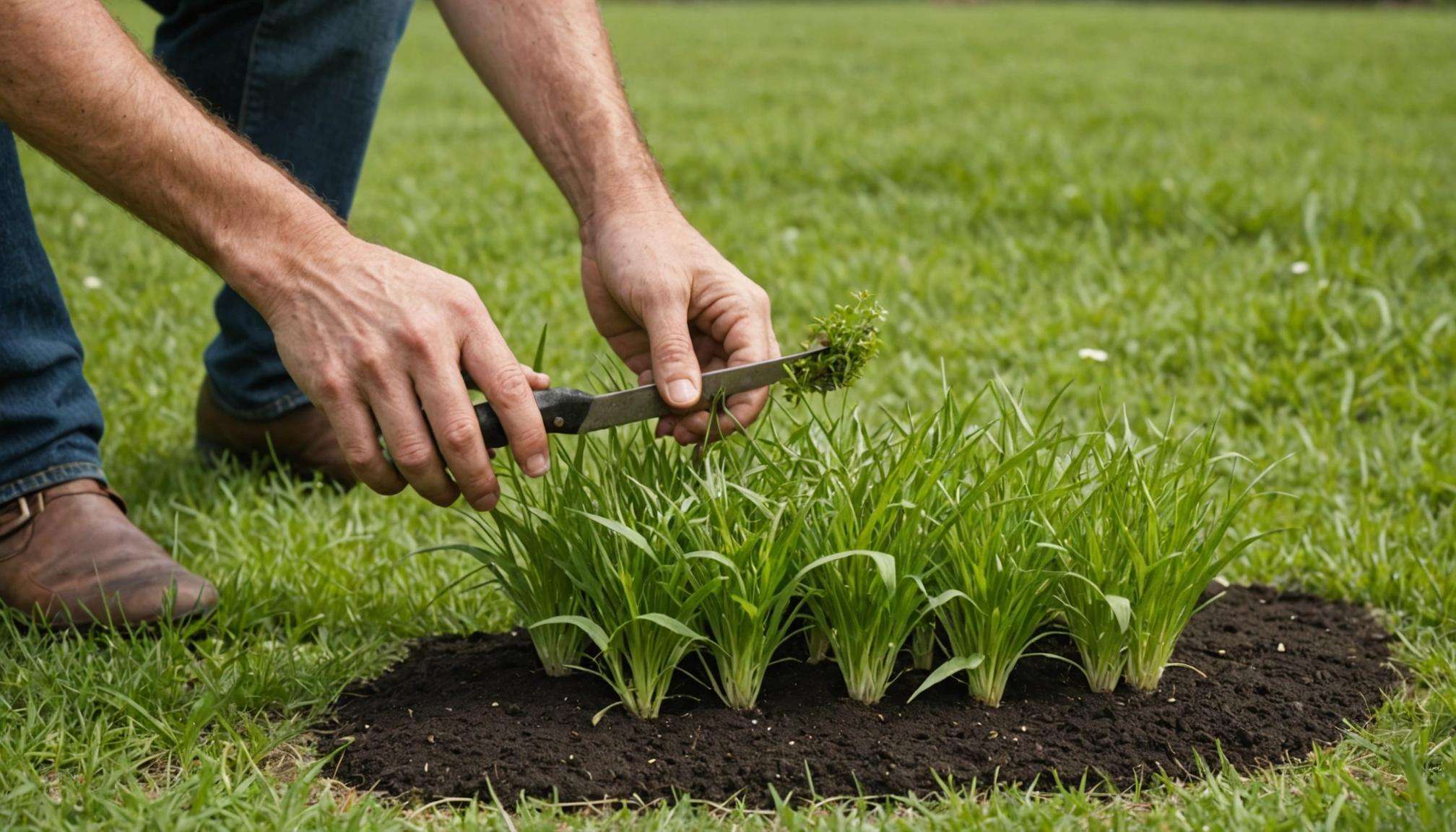
For smaller infestations, hand pulling can be effective. Make sure to remove the entire root to prevent regrowth. For isolated patches, spot treat using a selective herbicide to target weeds directly.
Proper Mowing Techniques
Mowing isn’t just about keeping your lawn tidy—it can manage weed growth too. Maintain a height of 2.5 to 3 inches, which helps your grass out-compete weeds and thrive.
Fertilization and Water Management
A well-fertilized and properly watered lawn is less susceptible to weeds. Feed your grass with appropriate nutrients and maintain a consistent watering schedule to encourage healthy growth. For more detailed guidance on maintaining a weed-free lawn, consider expert advice on weed control in Friendswood, TX.
Employing these methods together creates a robust defense against pesky weeds, preserving the beauty and health of your Texas lawn. Up next, we dive into how often you should control these lawn invaders in the Texas climate.
How Frequently Should Lawn Weeds Be Controlled in Texas?
Managing lawn weeds in Texas is a persistent challenge, given the state’s diverse climate and soil conditions. Regular maintenance is crucial to keep your lawn healthy and weed-free. But how often should you tackle this task? The answer depends on several factors, including the type of weeds, weather patterns, and your lawn’s condition.
Generally, a good rule of thumb is to inspect and treat your lawn for weeds seasonally—about four times a year. Early spring is essential as it helps prevent weed seeds from germinating. This is when you lay down pre-emergent herbicides to stop weeds before they start. Follow up in late spring to catch any summer weeds that might have slipped through.
During the summer, keep an eye on common culprits like crabgrass and dandelions. Regular mowing and spot treatments with post-emergent herbicides can help control these weeds. In the fall, another round of pre-emergent helps combat winter annual weeds. For more insights on identifying and handling these pests, explore the most common weeds in Texas lawns.
For the best results, integrate weed control efforts with overall lawn maintenance. This includes proper mowing, watering, and fertilizing schedules. Healthy lawns naturally resist weed invasions, so keeping your grass in peak condition is your first defense.
Remember, consistent monitoring is key. Walk your lawn regularly to spot new weed problems early, and adjust your strategy as seasons shift and weeds evolve. With the right timing and tactics, you can maintain a vibrant, weed-free lawn year-round in Texas.
What Natural Remedies Can Be Used to Combat Weeds in Texas Lawns?
For those seeking eco-friendly ways to manage weeds in their Texas lawns, natural remedies offer a safe and effective alternative to chemical herbicides. These options can help maintain a lush, healthy lawn without harming the environment—or your pets.
Here are some natural solutions to consider:
- White Vinegar: An acetic acid found in vinegar can kill weeds. Spray it directly onto the leaves for effectiveness, but be careful—avoid coveted plants as it doesn’t distinguish.
- Boiling Water: Simple and effective for small weed patches. Pour directly on weeds to scald them away, working best on younger growth.
- Salt: Use sparingly and strategically. Mix with water and spray on weeds, but be cautious—excessive salt can damage soil health.
- Mulch: Covering soil with mulch suppresses weed growth by blocking sunlight. Use organic materials like wood chips or straw for added benefits to soil nutrition.
- Corn Gluten Meal: Acts as a natural pre-emergent, preventing weed seeds from germinating. Effective for lawn maintenance rather than quick fixes.
- Manual Removal: Old-school but gold-standard. Pull weeds by hand or with tools to remove roots—best done when the soil is moist.
- Baking Soda: Sprinkle on dry, sunny days directly onto weeds. Baking soda dehydrates and damages weed tissues, stunting their growth.
These natural methods are gentle on the earth and can transform your lawn-care routine into an eco-conscious practice. For more weed control tips for Texas lawns, always test small areas before widespread application and reapply as needed for best results.
What Are the Best Lawn Care Practices to Prevent Weed Growth in Texas?
Texas lawns are a battleground for weeds—hot, dry summers and mild winters create ideal conditions. But with the right lawn care practices, you can keep your lawn lush and mostly weed-free. Here’s how:
Regular Mowing Techniques
Mowing your lawn consistently is KEY. Keep your grass at the right height—generally 2-3 inches for many Texas grasses. This helps shade the soil, preventing light from reaching weed seeds and inhibiting their growth. Make sure blades are sharp for clean cuts that promote healthy grass.
Effective Watering Practices
Deep but infrequent watering encourages deep root growth, making your grass more competitive against weeds. Water early in the morning to minimize evaporation and disease. In Texas, where drought can be a concern, efficient watering ensures grass gets the moisture it needs without overwatering.
Proper Fertilization
Fertilize your lawn adequately to boost grass health. Healthy, dense lawns are less likely to have weed problems. Use a balanced, slow-release fertilizer according to your grass type and season. Avoid over-fertilizing, which can promote thatch development and weed growth.
Soil Health and Aeration
Aerate your lawn to improve soil health and allow nutrients, water, and air to penetrate the grass root zone. This reduces soil compaction and promotes robust grass growth—giving weeds a harder time finding a foothold.
By focusing on these lawn care practices, you’ll maintain a vibrant and resilient lawn that naturally suppresses weeds throughout the seasons. Implement them consistently and you’ll see the difference. For more detailed strategies, explore advice on controlling weeds in Texas.
Conclusion
Dealing with the most common weeds in Texas lawns can be a challenging task, but understanding their characteristics and how to control them effectively makes all the difference. As vital components of lawn care, regular maintenance, proper lawn aeration, and targeted weed management can transform your lawn into a lush, weed-free paradise. With the right approach, you can enjoy a beautiful and healthy lawn all year round.
For those living in Alvin, Friendswood, Dickinson, League City, or Santa Fe, Good Stewards Lawn Company is here to help. With our comprehensive services in lawn care, lawn aeration, maintenance, and landscaping, we ensure your lawn stays in pristine condition. Trust our expertise for your lawn care needs and reach out to us today at (713) 213-0599 or email us at goodstewardslawnco@gmail.com – we look forward to helping you create your perfect outdoor space!