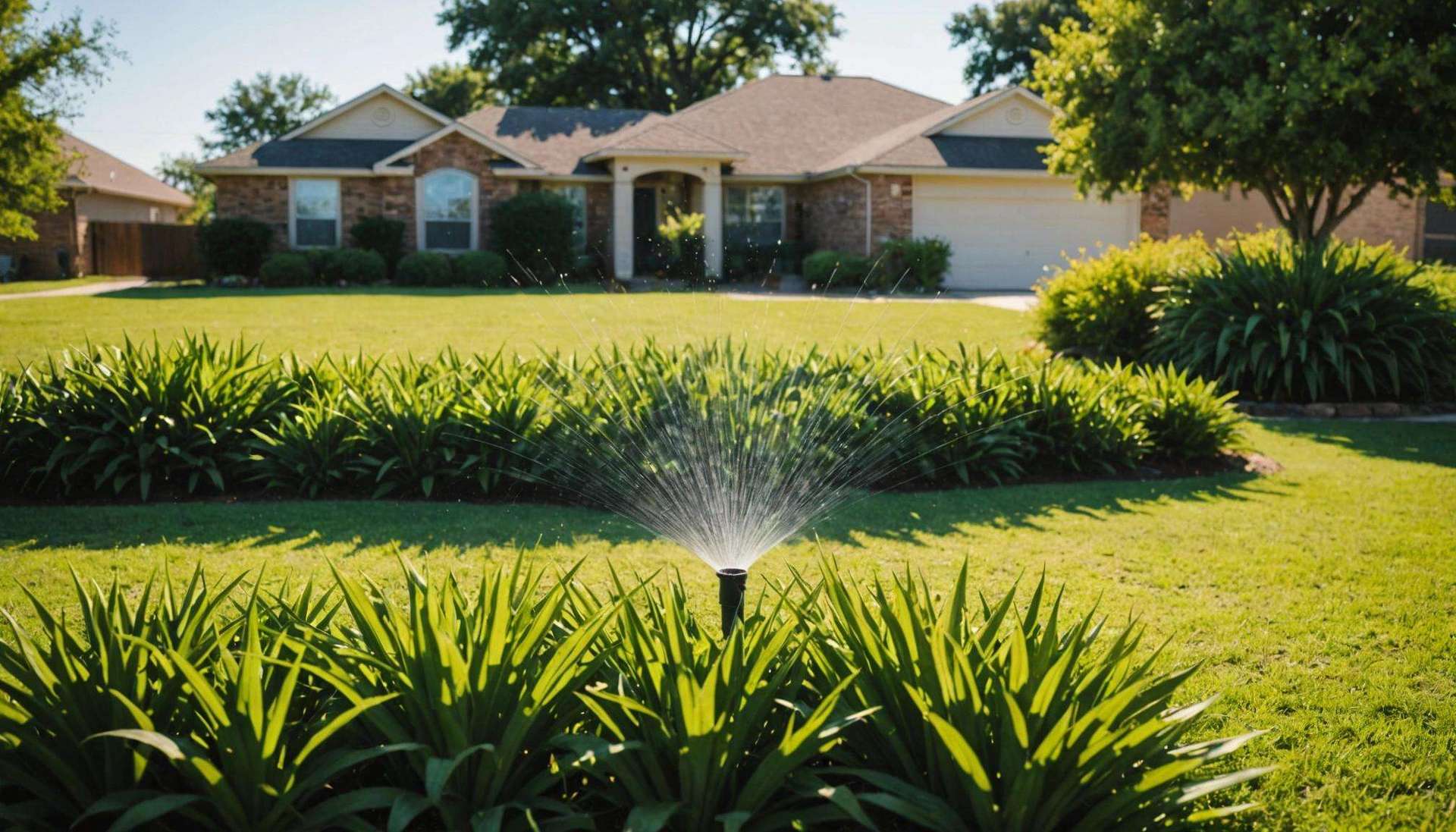
Are you struggling to maintain a healthy lawn during the sweltering Texas summer heat? Don’t worry, because at Good Stewards Lawn Company, we’ve got the expert tips you need to keep your lawn lush and green even when the sun’s blazing. Our experience across Alvin, Friendswood, Dickinson, League City, and Santa Fe has shown us that with the right techniques, your lawn can thrive despite the sizzling temperatures.
In this article, we’ll walk you through common lawn challenges specific to Texas summers and offer practical solutions to combat them. From optimal watering schedules to grass types best suited for the heat, we’ll cover all the bases to ensure your lawn remains the envy of the neighborhood. So sit back, relax, and let us guide you through the steps to achieving a verdant oasis right in your backyard!
What Are the Common Challenges for Lawns in Texas Summer Heat?
Keeping a lawn lush and green in Texas during the summer can be TOUGH. The searing hot sun and lack of rainfall create several challenges that lawn owners need to tackle head-on.
Drought Stress
Drought stress is a major issue in Texas summers. With temperatures soaring and water restrictions often in place, maintaining sufficient moisture becomes a struggle. Grass turns brown, and the soil dries up quickly.
Heat Stress
It’s not just the lack of water—heat stress is a challenge all on its own. High temperatures can cause the grass blades to wither and even lead to permanent damage. Certain grasses can’t thrive when the thermometer hits triple digits!
Pest Invasion
Pests LOVE the heat. Higher temperatures encourage insect infestations, which can wreak havoc on your lawn. Chinch bugs, grubs, and ants are the usual suspects that feast on grass roots and stems, making the battle against pests relentless.
Lawn Diseases
In addition to pests, lawn diseases can spread more easily in hot, humid conditions. Fungal diseases like brown patch and take-all root rot often appear during these warm months, leaving patches of dead grass.
Soil Compaction
As people and pets walk across a dry lawn, the soil can become compacted. This makes it difficult for grass roots to access air and water, exacerbating the issues caused by heat and drought.
Next, we’ll dive into how often you should water your lawn during Texas summers to combat these challenges effectively.
How Often Should You Water Your Lawn During Texas Summers?
Texas summers are notorious for their intense heat and lack of rainfall, making lawn care a bit challenging. Keeping your lawn healthy involves proper watering practices—especially during these scorching months. It’s not just about the frequency but also how you water.
Here are some key tips for watering your lawn effectively during Texas summers:
- Water Early in the Morning: The best time to water is during the early morning hours (before 10 a.m.) when temperatures are cooler, reducing evaporation and letting your lawn soak up the moisture.
- Stick to a Deep and Infrequent Schedule: Aim for deep watering sessions 1-2 times per week. This encourages deep root growth, making your grass more drought-resistant.
- Adjust Based on Soil and Grass Type: Sandy soils may require more frequent watering, while clay soils hold moisture longer. Be sure to adjust based on your soil type and the type of grass you have.
- Observe and React: Pay attention to signs of drought stress, like wilting or browning grass. Increase watering if your lawn shows these signs.
- Avoid Runoff: Water in cycles if necessary to prevent runoff. Water until you see a little runoff, pause to let it soak, then continue.
- Monitor Local Weather: Be mindful of any rain in the forecast. Adjust your watering schedule to save water and prevent over-watering.
- Be Mindful of Restrictions: Follow any local water restrictions or guidelines to help conserve water during the summer months.
By following these tips, you can maintain a lush, green lawn that withstands the Texas heat. Coming up next, learn about the best types of grass suited for Texas summers.
Which Grass Types Are Best Suited for Texas Summer Heat?
Texas summers can be BRUTAL on lawns, thanks to scorching temperatures and dry conditions. Selecting the right type of grass is crucial to ensure your lawn stays lush and green. The key is to pick drought-tolerant varieties that can withstand intense heat while still looking fantastic.
Here’s a list of grass types that are best suited for surviving the Texas summer heat:
- Bermudagrass: A favorite choice for many Texans. This grass thrives in sunny areas and is well-adapted to handle high heat and drought conditions.
- St. Augustine Grass: Known for its thick blades and ability to spread rapidly, it’s a great option for heat tolerance and offers a beautiful, lush appearance.
- Zoysia Grass: This grass type is highly versatile, with excellent heat resistance and a tolerance for foot traffic—perfect for homes with kids and pets.
- Buffalograss: A native to the Great Plains, Buffalograss is highly drought-tolerant and requires minimal maintenance, making it ideal for environmentally-conscious homeowners.
- Centipedegrass: While it prefers sandy, acidic soils, Centipedegrass can tolerate heat well and requires less mowing due to its slower growth rate.
By choosing the right grass type, your Texas lawn can look its best—even in the toughest summer heat. It’s all about matching grass varieties to the local conditions.
What Lawn Care Techniques Help Protect Against Heat Stress?
As temperatures soar during the Texas summer, keeping your lawn healthy requires strategic care. Here are some techniques that can help protect your lawn against heat stress:
Setting Up a Schedule for Regular Mowing
Regular mowing is crucial to prevent lawn stress. However, during extreme heat, it’s important to mow less frequently and avoid cutting grass too short. Taller grass shades the soil, helping it retain moisture and stay cooler.
Adjust your mower’s height—keep it a bit higher during heatwaves (around 3-4 inches). This helps protect your lawn from severe heat damage.
Aerating Your Lawn
Aeration is a critical step in maintaining a healthy lawn during the summer. It opens up the soil, allowing better airflow and water penetration. This also helps the roots grow deeper, which makes your lawn more resilient.
Consider aerating your lawn before summer kicks in for maximum benefit and improved resistance to heat stress.
Applying Mulch
Mulching is a fantastic way to conserve soil moisture and moderate temperature. It acts as a barrier, protecting the soil from extreme temperatures by shading it.
Spread a thin layer of grass clippings or organic mulch across your lawn. It not only conserves moisture but also adds nutrients to the soil as it breaks down.
Utilizing Proper Watering Techniques
Watering is essential, but doing it wisely is key to preventing heat stress. Water deeply but less frequently, rather than shallow, frequent watering. This encourages deep root growth, enabling your lawn to withstand dry spells better.
Early morning is the best time for watering—reducing evaporation loss and ensuring the lawn absorbs the water efficiently.
Fertilizing with Care
Be cautious with fertilization during the summer. Over-fertilizing can cause more harm than good by burning the grass. Use a slow-release fertilizer and follow the recommended rates—this keeps your lawn nourished without overwhelming it.
Applying fertilizer during the cooler evening hours also helps minimize stress on your lawn.
By incorporating these strategies, you can safeguard your lawn against the scorching summer heat, keeping it lush and vibrant throughout the season.
How Can You Prevent and Treat Lawn Diseases in Hot Weather?
Hot weather poses specific challenges for lawn health. While high temperatures can cause stress on grass, they also create ideal conditions for certain lawn diseases to thrive. Prevention and timely treatment are essential to maintain a lush, healthy lawn.
Here are some effective strategies to prevent and tackle lawn diseases during the hot Texas summers:
- Water Deeply and Infrequently: Water your lawn early in the morning to ensure it dries before night. This reduces moisture, which can promote fungal growth.
- Maintain Proper Mowing Height: Avoid cutting grass too short—this weakens its defense against diseases. Adjust mower blades to leave grass a bit longer, which helps retain moisture and shades soil.
- Improve Soil Drainage: Use aeration techniques to improve soil drainage and reduce waterlogging, a common factor for disease development in lawns.
- Fertilize Wisely: Apply balanced fertilizers carefully and follow recommended guidelines—too much nitrogen can encourage the growth of diseases like brown patch.
- Identify and Treat Disease Promptly: Keep an eye out for symptoms like discolored patches or unusual growth. Early detection allows for quick treatment with appropriate fungicides, which can curb disease spread.
- Encourage Air Circulation: Trim back overgrown shrubs or trees to improve air movement around your lawn, helping it dry faster and discouraging fungal presence.
A proactive approach—focused on regular monitoring and maintenance—ensures your lawn stays healthy and disease-free even under the stress of summer heat.
Are There Specific Fertilization Strategies for Hot Texas Summers?
Taking care of your lawn in the sweltering heat of a Texas summer requires a bit of strategy when it comes to fertilization. The intense heat and arid conditions can stress your grass, making it essential to tailor your fertilization practices to keep your lawn thriving.
Choose the Right Fertilizer
Opt for a slow-release fertilizer. This type releases nutrients gradually, reducing the risk of burning your lawn in extreme heat. Look for a balanced mix to provide essential growth nutrients.
Avoid high-nitrogen fertilizers in the peak of summer. They can push grass to grow too quickly, increasing its vulnerability to drought and disease.
Timing Matters
Fertilize during cooler periods, ideally early morning or late afternoon. Avoid the hottest parts of the day as it can lead to quick evaporation and less effective absorption.
Consider skipping fertilization during the hottest months. Focus instead on maintaining adequate water and reducing stress on your lawn.
Proper Application Techniques
Use a spreader for even distribution. This ensures your lawn receives the necessary nutrients without over-application in certain areas.
Water your lawn after fertilizing. It helps nutrients soak in and minimizes the risk of chemical burn—especially crucial in dry, hot conditions.
Adjust your strategies based on grass type and local conditions. Understanding your specific lawn’s needs can make all the difference in maintaining its health throughout the summer. Adapt, assess, and take these steps to keep your Texas lawn vibrant and resilient.
Conclusion
Maintaining a healthy lawn in the scorching Texas summer heat involves understanding the unique challenges and implementing effective watering, mowing, and fertilization strategies. By adjusting your lawn care practices to account for the intense heat and possible drought conditions, you can ensure that your lawn remains vibrant and lush throughout the season. These expert tips are crucial for achieving a thriving lawn despite the harsh Texas sun.
For residents of Alvin, Friendswood, Dickinson, League City, and Santa Fe needing professional assistance to keep their lawns green and healthy, Good Stewards Lawn Company is here to help. Led by Caleb Bean, our team is dedicated to providing top-notch lawn care, aeration, maintenance, landscaping, and hardscaping services tailored to your specific needs. Get in touch with us today at 7132130599 or email us at goodstewardslawnco@gmail.com to ensure your lawn thrives this summer.