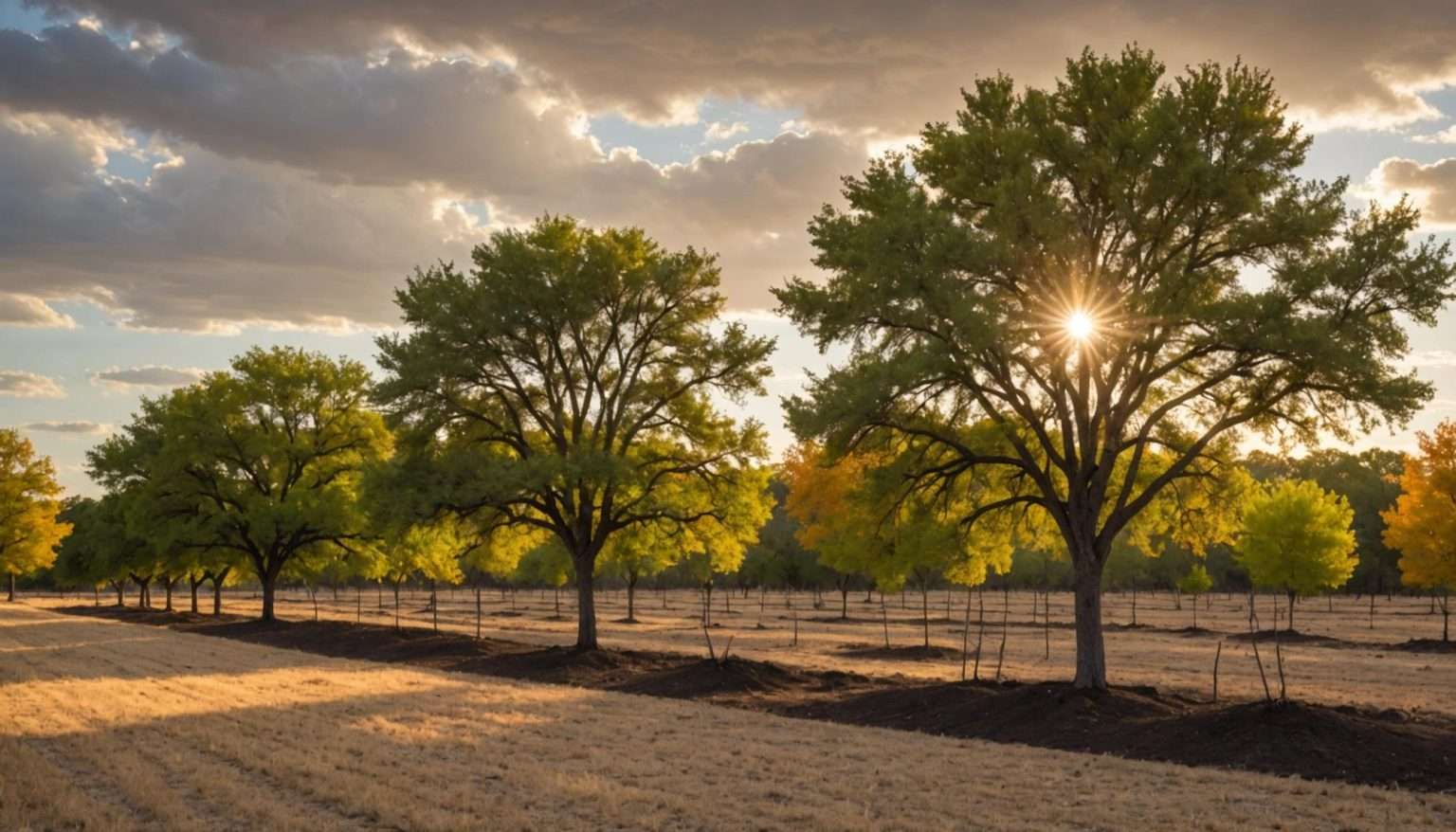
Wondering when is the best time of year to plant trees in Texas? At Good Stewards Lawn Company, we understand the importance of timing when it comes to planting trees in the Lone Star State. With our extensive experience in lawn care, landscaping, and hardscaping, we’re here to guide you through the process with expert insights that benefit both your garden and the environment.
In this article, we’ll explore why timing is crucial for tree planting in Texas, the best seasons and regional nuances you need to consider, and how climate and soil conditions can impact your efforts. Plus, we’ll cover the types of trees that thrive best when planted at specific times, common mistakes to avoid, and the preparations necessary to ensure your trees grow strong and healthy. So, whether you’re in Alvin, Friendswood, or anywhere in between, dive in to learn how you can enhance your landscape with perfect timing!
Why is Timing Important for Planting Trees in Texas?
The Role of Seasons in Tree Growth
Timing is everything when it comes to planting trees in Texas. The state has varied climates—from arid deserts to humid coastal areas—which can dramatically affect how well trees establish. Identifying the optimal window in each region ensures your trees thrive and grow robustly.
Different seasons offer distinct advantages. For instance, planting in the cooler months gives roots time to establish before the heat of summer. This is CRUCIAL for survival, especially in regions with hot summers, like Central and South Texas.
Temperature and Precipitation Factors
Texas weather can be unpredictable. Understanding temperature patterns and precipitation levels is essential for planning. Trees planted in the wrong season may not receive enough water or may suffer from temperature extremes, leading to stress or even death.
Cooler temperatures generally promote root growth—a key factor in ensuring tree stability and nutrient uptake. Timing your planting to align with natural rainfall can also reduce watering needs and boost growth.
Regional Differences and Considerations
Each region in Texas has its own unique planting season. What works in the Panhandle may not be ideal for the Gulf Coast. Knowing your region’s specific climate helps tailor planting times to local conditions.
Working with nature’s schedule—not against it—maximizes your trees’ chances for healthy, long-term growth.
What Are the Best Seasons to Plant Trees in Different Texas Regions?
In Texas, choosing the right time for planting trees is crucial. The state’s diverse climate impacts planting schedules across its regions. Planting at the correct time ensures trees establish strong roots, have adequate growth periods, and withstand local climate challenges.
In general, fall is the preferred season to plant trees in Texas, especially October and November. This period allows trees to settle before summer heat sets in. However, specifics can vary based on where you are in Texas. Understanding regional differences can enhance success.
- East Texas: Known for its ample rainfall, trees can be planted from fall to early spring. Mild winters make this feasible.
- Central Texas: Fall is best, as cooler temperatures reduce stress on new plantings. Spring is a secondary option.
- West Texas: Early fall is suggested due to harsher climates. It’s essential to provide supplemental watering.
- South Texas: With its unique climate, late fall to early winter planting is ideal. Protect young trees from unexpected cold snaps.
- North Texas: Plant in fall to avoid summer drought stress. Late winter could also work if watering needs are met.
Stay tuned for how soil and climate conditions further influence tree planting in the Lone Star State!
How Do Climate and Soil Conditions Affect Tree Planting in Texas?
Texas is a BIG state with a wide range of climates and soil types—both play crucial roles in successful tree planting. Understanding these factors can make the difference between flourishing trees and those that struggle.
Texas Climate Variability
Texas experiences diverse climates—from humid subtropical in the east to arid desert in the west. This diversity influences how well trees acclimate and grow. While the mild fall and winter months often present the best planting conditions, the harsh summers in regions like West Texas require strategies like deep watering and mulching to protect young trees.
Seasonal rainfall and temperature variations also dictate the types of trees suited for each area. Matching tree species to their native climate conditions is key to their success.
Soil Types and Their Impact
Texas soils range from sandy loams to heavy clays, and each type affects tree planting differently. Sandy soils, common in East Texas, drain quickly but may require frequent watering. In contrast, the clay soils in Central Texas retain moisture longer, which can lead to root rot if not managed properly.
Conducting soil tests before planting helps determine soil pH and nutrient levels (vital information!). Based on this data, you can amend the soil to provide the best possible environment for your trees, ensuring healthy root development and growth.
Adapting Planting Techniques
Adapting planting techniques to local climate and soil conditions is crucial. In drier areas, consider xeriscaping—an approach that reduces water usage while maintaining landscape aesthetics. For poor soils, using raised beds or importing quality topsoil can provide better growing conditions.
By taking these factors into account, you can create an optimal setup for trees to thrive in any Texas terrain.
What Types of Trees Thrive Best When Planted in Texas During Specific Times?
Planting trees in Texas requires careful consideration of timing because the state’s climate and diverse regions create unique conditions for tree growth. By planting the right type of tree during optimal times, you set the stage for a healthier start and reduce stress on the plant.
Certain species have better chances of thriving when planted in Texas during specific seasons. Here’s a breakdown of some trees that do well when planted at the right time:
- Live Oak: Best planted in the fall when temperatures are cooler, allowing roots to establish before the heat of summer.
- Red Maple: Plant in late winter or early spring to give roots time to establish before the summer heat kicks in.
- Cedar Elm: Like many hardwoods, they’re best planted in early spring or fall for optimal root growth before harsh temperatures.
- Tulip Tree: Although versatile, they prefer early spring planting for a head start on the growing season.
- Desert Willow: Typically planted in spring; thrives well in the warmer climates of western Texas.
- Texas Ash: Plant in fall, leading to stable growth through winter and rapid growth with spring rains.
By paying attention to the species and their ideal planting seasons, you can enhance the success of your landscaping efforts, ensuring your new trees become an integral part of the Texas landscape.
What Are the Common Mistakes to Avoid When Planting Trees in Texas?
Planting trees in Texas can be incredibly rewarding, but it’s important to avoid common pitfalls that many homeowners encounter.
Choosing the Wrong Tree Species
One major mistake is selecting the wrong species of tree for your specific Texas region. Not all trees thrive in every part of the state, so it’s essential to choose ones adapted to local climate and soil conditions. Consider factors like drought tolerance and pest resistance.
Incorrect Planting Depth
Setting the root ball too deep or too shallow can hinder a tree’s growth. The root flare (where the roots begin to spread) should be level with or slightly above the soil surface. If planted incorrectly, trees may struggle to establish and could become unhealthy.
Neglecting Soil Preparation
Failing to properly prepare the soil is another frequent error. Texas soils can be challenging—often compacted, nutrient-deficient, or too alkaline. Perform a soil test before planting, and amend the soil as needed to support healthy root development.
Overwatering or Underwatering
Water management is CRUCIAL. Overwatering can drown roots, while underwatering stresses the tree. Find a balance based on the specific needs of your tree species and the local climate conditions. Mulching helps retain soil moisture and regulate temperature.
Ignoring Maintenance Needs
Once planted, trees require ongoing care to thrive. This includes pruning, fertilizing, and monitoring for pests and diseases. Regular maintenance ensures long-term health and growth, preventing problems before they become severe.
In the next section, we’ll go over essential preparations to ensure your tree planting is a success.
What Preparations Should Be Made Before Planting Trees in Texas?
Before planting trees in Texas, preparation is key to ensure successful growth and minimize stress on young trees. This involves understanding your local climate and soil conditions, which can greatly affect tree health. Preparing your planting site correctly increases the chances of your tree thriving once established. Here’s what you need to do:
- Evaluate the Soil: Test the soil to determine its composition and pH level. This will help in selecting the right tree species that will thrive in your specific soil conditions.
- Select the Right Location: Choose a planting site that offers adequate sunlight, the right level of moisture, and plenty of space for the tree to grow both above and below ground.
- Prepare the Planting Site: Clear the site of grass, weeds, and debris. Dig a hole twice as wide and just as deep as the tree’s root ball to accommodate the root system comfortably.
- Gather Necessary Supplies: Have mulch, organic matter, and necessary tools ready. These will help with the planting process and provide the nutrients needed for young trees to establish.
- Check Local Regulations: Make sure to be aware of any local bylaws or regulations concerning tree planting, especially if near utilities or property lines.
- Water Management Plan: Develop a plan for regular watering, especially during the first few years. This step is pivotal in the dryer regions of Texas where water management is crucial.
- Consult Professionals: If uncertain, consult arborists or local nursery experts for advice on selecting the best tree species and planting methods for your area.
Taking these preparatory steps ensures that when planting day arrives, your trees have the best start possible in their new Texas home.
Conclusion
In summary, the optimal time to plant trees in Texas is during the cooler months when the temperatures are milder, allowing trees to establish roots before the heat of the summer. Planting during this time can significantly enhance growth and sustainability, providing lush landscapes and healthy foliage.
If you’re in Alvin, Friendswood, Dickinson, League City, or Santa Fe and looking to create the perfect green space, Good Stewards Lawn Company is here to help. Specializing in lawn care, landscaping, and more, our team of experts is ready to assist you in transforming your yard. For personalized advice and high-quality service, contact Caleb Bean at (713) 213-0599 or email us at goodstewardslawnco@gmail.com. We’re here to ensure your outdoor space thrives year-round.