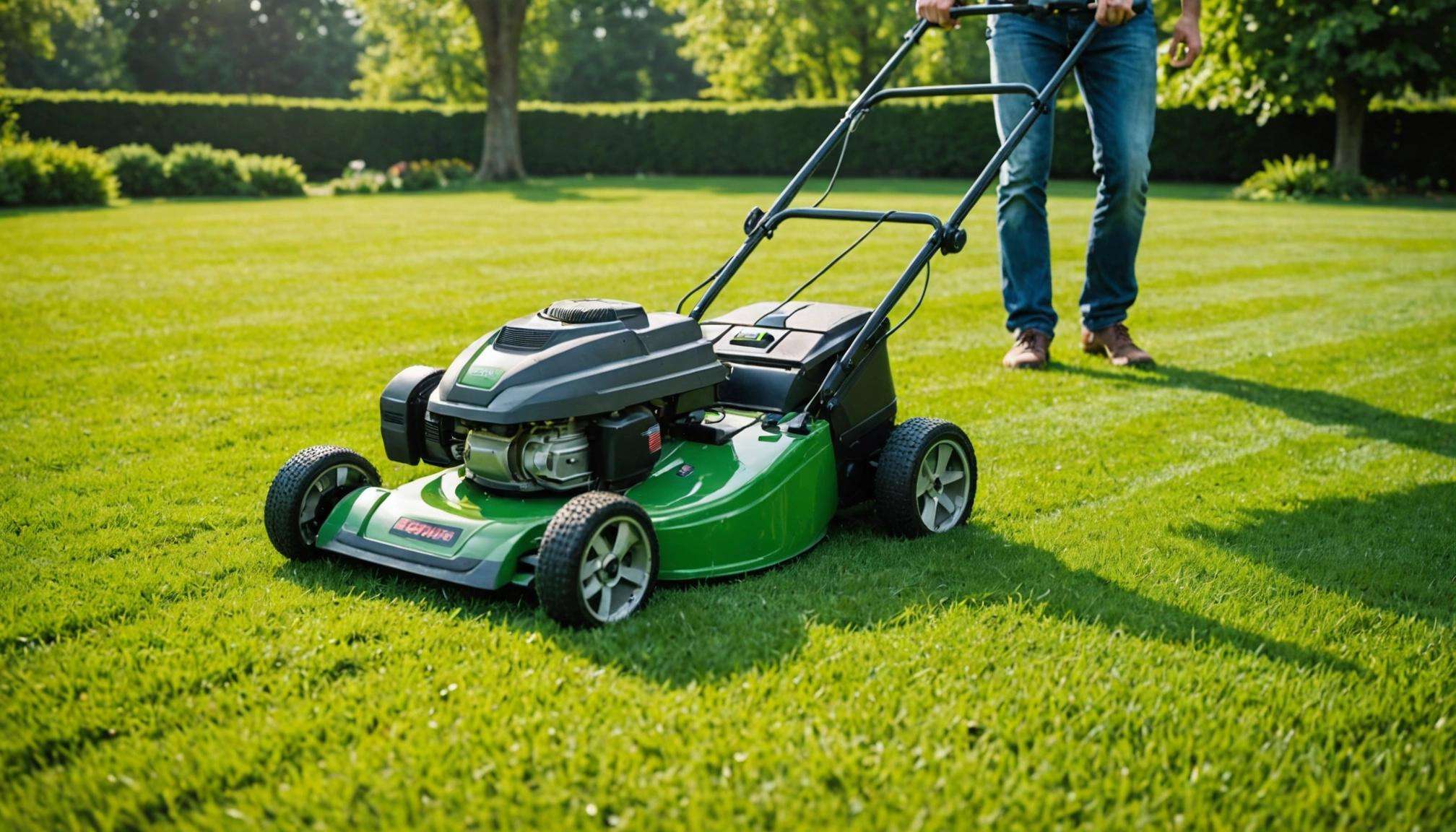
Welcome to the ultimate guide on the best lawn care routine, packed with essential tips and tricks! At Good Stewards Lawn Company, we’re passionate about transforming ordinary lawns into stunning outdoor sanctuaries. Our expertise in lawn care, lawn aeration, and landscaping allows us to bring your garden dreams to life across Alvin, Friendswood, Dickinson, League City, and Santa Fe.
In this article, we will delve into the fundamental steps in a lawn care routine, explore how seasonal changes affect lawn maintenance, and discover the best tools every homeowner should have. Whether you’re looking to identify and treat common lawn problems or ensure a lush, green lawn year-round, we’ve got the insider knowledge you need. So grab a spade and let’s get started on creating your vibrant, thriving lawn!
What Are the Fundamental Steps in a Lawn Care Routine?
Cultivating a lush, green lawn isn’t just about luck—it’s all about having the right routine. With the proper steps, you can keep your grass healthy and beautiful year-round. Let’s explore the key elements of an effective lawn care routine that every homeowner should know.
- Mowing: Regular mowing is essential. Keep grass at the ideal height (usually around 2.5 to 3.5 inches) to encourage deep root growth and discourage weeds.
- Watering: Water deeply and less frequently, allowing for better absorption. Aim for early morning watering to reduce evaporation while keeping your lawn hydrated.
- Aeration: Aerate your lawn at least once a year. This process alleviates soil compaction, allowing air, water, and nutrients to penetrate deeply.
- Fertilization: Use a balanced fertilizer to replenish essential nutrients. Sound fertilization practices promote strong roots and vibrant grass.
- Weed control: Keep weeds in check by applying herbicides or organic methods as necessary. Early intervention prevents weeds from overtaking your grass.
- Soil Testing: Understanding your soil’s pH and nutrients can guide you in customizing your fertilization and lime application.
- Dethatching: Remove excess thatch, the layer of dead grass and roots, to promote drainage and nutrient absorption.
By sticking to this plan, you’re well on your way to a lawn that neighbors envy. Up next, we’ll delve into how seasonal changes can influence your mowing, watering, and overall lawn care strategy. For more detailed guidance, consider checking out expert lawn care services in Santa Fe, TX.
How Do Seasonal Changes Affect Lawn Maintenance?
Spring
Spring is when your lawn wakes up. It’s the ideal time for cleaning up winter debris and reseeding bare spots. Aeration can improve root growth by encouraging air, water, and nutrients to reach the soil. Fertilizing during this period gives your grass that much-needed nutrient boost. Remember to keep a regular mowing schedule as the grass starts to grow more rapidly.
Summer
The summer heat requires adjusted maintenance. Grass often slows its growth, so mowing frequency may decrease. Watering becomes crucial—early morning watering reduces evaporation. If mowing, set your mower blades higher to retain more moisture in the grass. Keep an eye out for pests and lawn diseases that thrive in warmer weather.
Fall
Fall is preparation time for the coming winter. Rake fallen leaves regularly to prevent them from smothering the grass. Apply a fall fertilizer to nourish roots and help the lawn recover from summer stressors. Overseeding can fill in thin areas and improve the lawn’s overall density. Aerate the soil if needed, ensuring deeper nutrient penetration. For more detailed advice tailored to your region, consider checking out lawn care services in League City, TX.
Winter
During winter, lawn care is largely hands-off. However, protect your grass by minimizing foot traffic on frosty or snow-covered areas to prevent damage. Ensure your tools are cleaned and maintained for the next growing season. This restful period prepares your lawn to bounce back stronger come spring.
What Are the Best Lawn Care Tools Every Homeowner Should Have?
A well-maintained lawn starts with the right tools. Whether you’re a seasoned gardener or a newbie, having the proper equipment makes lawn care easier and more effective. For those in Dickinson, TX, understanding the local climate and soil can further enhance your lawn care efforts, as highlighted by Good Stewards Lawn Company.
Each tool serves a specific purpose—pruning, trimming, or mowing—that keeps your lawn healthy and lush. Equip yourself with these essentials:
- Lawn Mower: A reliable mower is key for regular grass cutting. Choose one that suits your yard size, from manual to electric or gas-powered.
- String Trimmer: Useful for cutting grass in hard-to-reach spots where a mower can’t fit, like edges and around trees.
- Lawn Edger: Provides clean, precise edges along sidewalks and driveways, giving your lawn a professionally manicured look.
- Leaf Blower: Keeps your lawn clear of fallen leaves and debris—important for preventing mold and maintaining cleanliness.
- Rake: Essential for gathering fallen leaves and grass clippings. A sturdy rake also helps level soil when seeding new grass.
- Sprinkler or Hose: Enables consistent watering. A sprinkler system offers convenience, while a hose allows more targeted watering.
- Hand Trowel: Perfect for small planting jobs like adding new flower beds or patching up bare spots in the grass.
- Soil Test Kit: An invaluable tool for understanding your lawn’s nutrient needs and adjusting your fertilization accordingly.
With these tools at hand, tackling lawn care becomes much easier—giving you the green, healthy lawn you’ve always wanted.
How Can I Identify and Treat Common Lawn Problems?
Keeping a lawn healthy requires vigilance. It’s crucial to recognize and address issues early—before they wreak havoc. Whether it’s discoloration, weeds, or pests, learning to diagnose and remedy common lawn problems can save time and preserve that verdant look.
Identifying Lawn Discoloration
When your lawn starts to show yellow or brown patches, it’s a symptom of underlying issues. Common causes include nutrient deficiencies, overwatering, or fungal infections. Investigate recent weather patterns, watering habits, and the possibility of compacted soil.
Treatment might involve adjusting your watering schedule, aerating the soil, or applying a balanced fertilizer to replenish nutrients.
Dealing with Persistent Weeds
Weeds are the uninvited guests in a lush lawn. They compete with grass for nutrients and can quickly take over if left unchecked. To identify them, look for plants that don’t blend in with your grass—like dandelions or crabgrass.
Use targeted herbicides for specific weeds, or consider natural options like overseeding and maintaining a dense lawn canopy to discourage their growth.
Pest Infestations and Their Solutions
Bugs aren’t always bad, but when pests like grubs or chinch bugs invade, they can leave your lawn looking ragged. Check your lawn for signs of wilting, thinning, or increased bird activity—these clues can indicate a pest problem.
Introduce beneficial insects, use insecticidal soaps, or correct your lawn’s overall health to create a more robust defense against pests.
Addressing Fungal Diseases
Fungi are a frequent culprit of lawn problems. You might notice powdery mildew or rust on your grass. Humid, damp conditions and poor air circulation often lead to fungal growth. For more insights, consider exploring tips for maintaining a healthy lawn during the Texas summer heat.
Combat these fungi with fungicides, ensuring proper drainage, and improving air flow by regularly mowing at the recommended height.
Once you understand these common issues and their solutions, managing a healthy lawn becomes much more straightforward. Keep observing and responding to your lawn’s needs—it’s the best prevention against persistent problems.
What Tips and Tricks Ensure a Lush, Green Lawn?
Achieving a lush, green lawn requires a bit of strategy and commitment, but the end result is worth it. With the right care, your grass can thrive and become the envy of the neighborhood. Here are some practical tips and tricks to keep your lawn looking its best throughout the year:
- Regular Mowing: Keep the grass blades at an optimal height by mowing regularly—usually once a week is recommended during growing seasons. This encourages thick growth and prevents weeds.
- Proper Watering: Water your lawn early in the morning to minimize evaporation. Ensure the soil receives deep, thorough watering rather than frequent shallow watering. For more insights, explore strategies to reduce water usage while maintaining a healthy lawn.
- Soil Aeration: Aerate the soil at least once a year to alleviate soil compaction. This improves air circulation and allows nutrients and water to reach grass roots more effectively.
- Fertilization: Use a balanced fertilizer to provide your lawn with essential nutrients. Apply during the growing season according to your grass type and local climate conditions.
- Choose the Right Grass Type: Select grass seeds or sod suited to your local climate and the specific sunlight conditions of your yard.
- Weed Control: Regularly remove weeds by hand or with a suitable herbicide, preferably before they spread and compete with your grass for nutrients and sunlight.
- Disease and Pest Monitoring: Regularly inspect your lawn for signs of disease or pests and address issues promptly, using targeted treatments as necessary.
By following these simple yet effective tips, you can maintain a beautiful, verdant lawn that enhances the appeal of your home. Up next, we’ll discuss how often aspects like mowing, watering, and fertilizing should happen during each season for optimal lawn health.
How Often Should I Mow, Water, and Fertilize My Lawn?
Mowing Frequency
Mowing is critical to maintaining a healthy lawn. How often? It depends on the grass type and the growing season. Generally, aim to mow your lawn weekly during peak growth in spring and fall. In hot summer months, you might need to mow every two weeks. Remember the one-third rule—only cut one-third of the grass’s height at a time to keep it healthy.
Watering Schedule
Water is life for your lawn, but too much or too little can cause damage. Most lawns need about 1 to 1.5 inches of water per week, including rainfall. Water deeply, only once or twice a week, instead of little and often—this encourages roots to grow deep. The best time is early morning before the sun heats up and causes evaporation.
Fertilizing Routine
Fertilizing provides essential nutrients for vigorous growth. Pay attention to timing and frequency. For cool-season grasses, fertilize in early spring and fall. For warm-season grasses, do it in late spring and summer. A slow-release fertilizer works best, ensuring a steady nutrient supply. Always follow product instructions—over-fertilizing can harm your lawn.
By tailoring mowing, watering, and fertilizing routines to your lawn’s needs, you’ll be on your way to a lush, green carpet of grass. For those in Texas, understanding how often you should aerate your lawn can further enhance your lawn care routine. Next, we’ll delve into identifying and treating common lawn problems.
Conclusion
Achieving a lush and well-maintained lawn requires a combination of regular maintenance, timely interventions, and expert advice. From proper watering and mowing techniques to seasonal adjustments and understanding the unique needs of your grass type, a comprehensive lawn care routine can make all the difference. Embrace these essential tips and tricks, and you’ll soon enjoy a vibrant outdoor space that’s the envy of your neighborhood.
For those in Alvin and surrounding areas such as Friendswood, Dickinson, League City, and Santa Fe, Good Stewards Lawn Company is your trusted partner in achieving optimal lawn health. With services ranging from lawn care and aeration to landscaping and hardscaping, our team of professionals is here to transform and maintain your green space. Contact Caleb Bean at Good Stewards Lawn Company for personalized lawn care solutions. Reach out today at (713) 213-0599 or goodstewardslawnco@gmail.com and let us bring your lawn care vision to life.